ArtePadova 2026: The Modern and Contemporary Art Fair Returns to Fiera di Padova
3 September 2026
Bacchiglione Cycle Path: Cycling from Padua to Chioggia & Vicenza
15 September 2026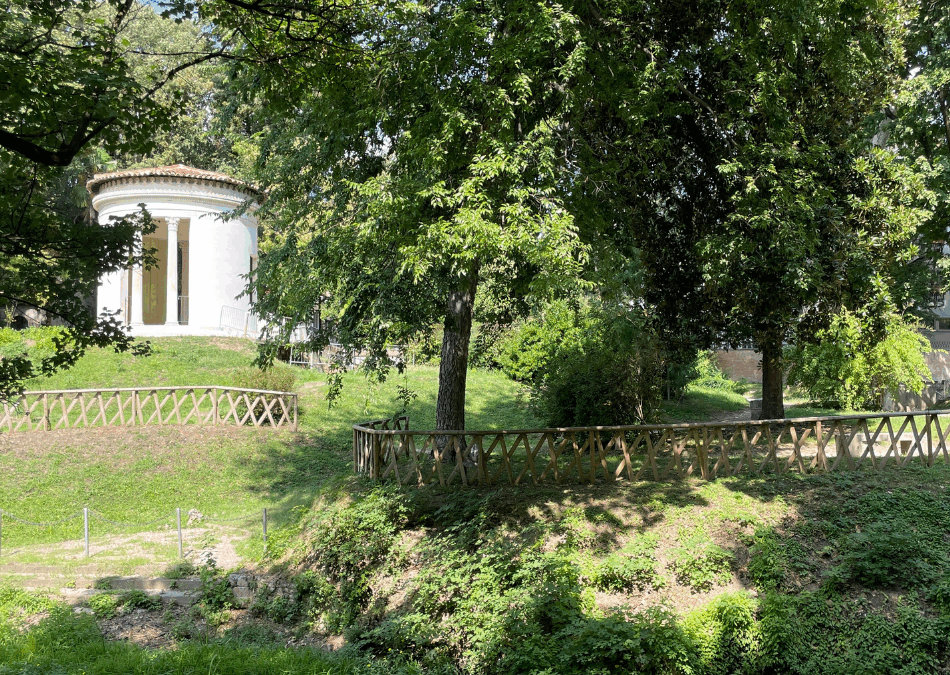
Parks in Padua: discovering the green treasures of the city
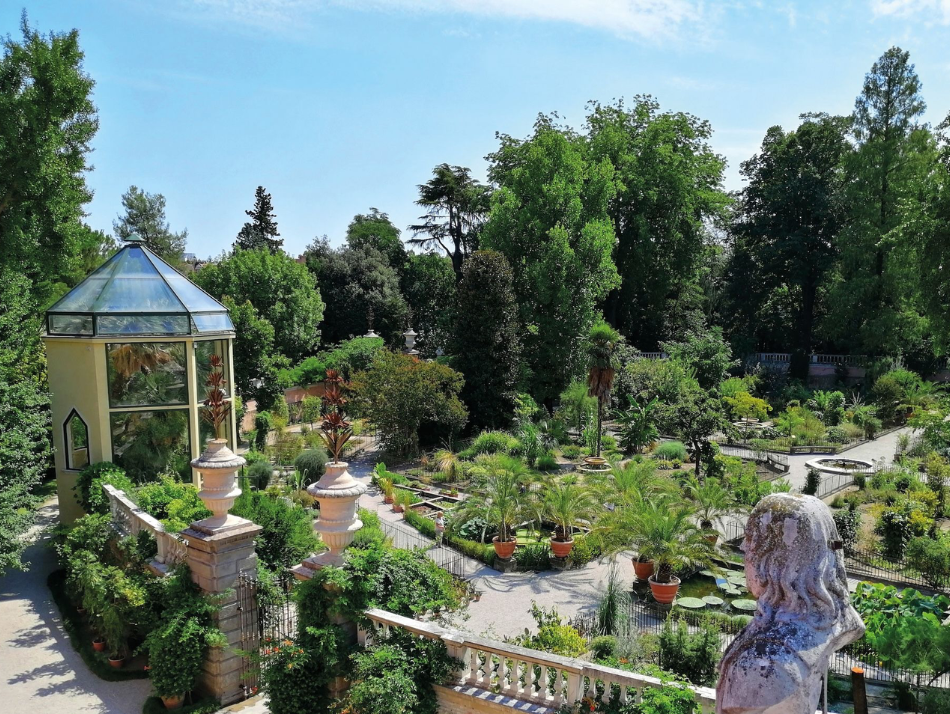
Padua is renowned worldwide for its history, art, and vibrant squares, but it also preserves a rich natural heritage of historic gardens, botanical spots, and large urban parks. Exploring its green spaces offers a relaxing way to experience the city, discovering romantic corners, ancient Roman ruins, and modern architecture away from the main sightseeing crowds.
Giardini dell’Arena
Established in the early 20th century, Giardini dell’Arena was one of the first public gardens created in Italy for public leisure and recreation. The park surrounds the remains of Patavium’s ancient Roman amphitheater, built between 60 and 70 AD, blending archaeology with nature. Designed as a romantic garden with mature trees and walking paths, it borders major cultural sites including the Scrovegni Chapel and the Eremitani Civic Museums. Outdoor kiosks providing coffee and food make it a lively social gathering spot in the city center.
Giardini della Rotonda
Covering 10,200 sqm, the Giardini della Rotonda takes its name from the monumental 46-meter-high circular water tower. Built in the early 20th century with a capacity of 2,000 cubic meters, it was considered a major engineering achievement of its time. During World War I, the interior of the tower served as an air-raid shelter for local residents. Designed in Liberty and Art Deco styles, the park extends across five terraced levels alongside the 16th-century walls and the Bastione della Gatta. It features decorative fountains, a grand entrance staircase from Piazza Mazzini, and monumental trees, including notable ginkgo biloba specimens. Recently restored with historic wrought-iron gates and rose beds, the park is open from April to October (8:30 AM – 8:00 PM) and November to March (8:30 AM – 4:30 PM).
Parco Europa and Giardino di Cristallo
Spanning 16,000 sqm in the Fiera district along Via Venezia, Parco Europa is a modern green space created during the redevelopment of a commercial and residential area. Featuring 130 trees, winding paths, a small rose garden, an aromatic plant garden, and the outdoor “Parco della Musica” arena for summer concerts, its main highlight is the Giardino di Cristallo. This flower-shaped glass greenhouse houses the municipal succulent collection donated by Prof. Angelo Levis, featuring over 600 cactus and succulent specimens from North/South America and Africa. The park includes children’s play areas and is open from 7:30 AM until sunset (the greenhouse follows specific seasonal hours and is closed on Mondays).
Parco Iris
Covering 64,617 sqm with a collection of 2,100 trees, Parco Iris in the Forcellini neighborhood is one of Padua’s largest and most popular green spaces. Created in the 1980s from reclaimed farmland, the park centers around a large pond home to turtles, ducks, and aquatic birds, complete with a small waterfall. It offers open lawn areas, shaded sections with linden, maple, and ash trees, jogging paths, and fully accessible playgrounds. In 2023, an expansion project of an additional 230,000 sqm was launched to create a continuous green urban corridor. The park is open year-round (summer hours: 7:30 AM – 8:30 PM).
Parco Treves de’ Bonfili
Commissioned around 1830 by the Treves de’ Bonfili family and designed by architect Giuseppe Jappelli, Parco Treves de’ Bonfili covers 9,600 sqm between the Basilica of St. Anthony and the City Hospital. It is a classic English romantic garden designed as a narrative landscape path. The original design featured symbolic structures such as a Chinese pagoda temple, an Alchemist’s grotto, and an iron-and-glass greenhouse for exotic plants (partially lost over time). The park retains majestic historic trees including plane trees, yews, and hackberries, alongside the historic slaughterhouse building (now the Pietro Selvatico Art High School). Restored between 1996 and 2003, the park is open with seasonal hours and closed on Mondays.
Roseto di Santa Giustina
Located along the 16th-century walls atop the Bastione di Santa Giustina, the Roseto di Santa Giustina covers 11,200 sqm with 280 trees. Created in 2008 following the restoration of the bastion, it functions as an educational and sensory rose garden open during seasonal blooms (typically late April to late October). The path is organized into thematic sections: top-ranked American Rose Society varieties, a sensory trail (touch, smell, taste), the historical evolution of roses from ancient to modern species, and roses named after historic Venetian figures (such as the St. Anthony Rose and Beatrice d’Este Rose). The garden is barrier-free and offers views over Prato della Valle.
Giardino Venturini e Natale
Located in the Portello district along the Canale Piovego across 14,600 sqm with 180 trees, Giardino Venturini e Natale (ex Fistomba) blends urban green space with local river history. Set among riverside vegetation including maples, ashes, and plane trees, the park houses the historic burchio “Nuova Maria”, a traditional 20-meter wooden Venetian cargo boat built in 1947 for sand and freight transport along the waterways to the Venice lagoon. The garden features children’s playgrounds, fitness paths, and a refreshment kiosk, open daily from 8:30 AM to 12:00 AM.
Staying at Casa al Carmine to Explore Padua’s Green Spaces
For convenient access to Padua’s parks and historic landmarks, Casa al Carmine offers a practical base. Located at Via Vendramini 1 right by Piazza Mazzini, the property is situated 700 meters from the Central Train Station and 500 meters from the historic city center, putting Giardini dell’Arena and Giardini della Rotonda within a 10-minute walk.
Guests arriving by car can access the property without driving through ZTL restricted traffic zones, utilizing 9 private parking spaces (available upon reservation). With 26 bright rooms, a quiet atmosphere, and a 300 sqm rooftop sun terrace, Casa al Carmine provides a comfortable, hassle-free stay close to Padua’s top gardens.